
You remember those iPod silhouette ads. Dancing figures, white earbuds, people just feeling the music. They’re burned into our collective memory.
You know what’s not? The Dell MP3 player.
Most people don’t even know Dell made MP3 players, which is wild when you think about it. They had better specs than Apple, massive manufacturing scale, distribution deals everywhere, and a brand people already trusted with their computers.
They should have won. They got obliterated instead.
Apple sold emotion with those silhouette ads. No mention of storage capacity or battery life. Just people moving to music.

Dell showed up with spec sheets comparing gigabytes and battery benchmarks.
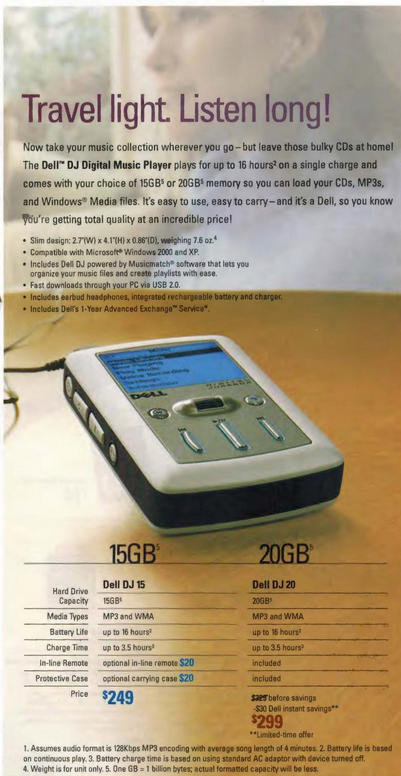
One company made you feel something.
The other made you do math.
And that positioning mistake – leading with specs instead of purpose – is exactly why most developer tools struggle to break through, even when they’re technically superior.
Teams lead with features, comparisons, and technical superiority, assuming that should be enough to win. In this post, we’ll break down why that positioning strategy fails and what to do instead if you want developers to actually choose your product, trust it, and advocate for it.
Why This Isn’t About Branding or Messaging
I can already hear your objection.
“Cool story about consumer products, but we’re building developer tools. Developers care about features.”
They do.
But belief determines which tools developers try, trust, and defend when something breaks at 2am.
Look at the winners:
Developers chose GitHub over Atlassian because GitHub felt like it actually understood how developers collaborate.
Stripe won over Braintree by treating online payments as something that should be simple and predictable, not fragile and complex.
Teams moved from Sketch to Figma because Figma treated design as a shared, collaborative process instead of a file you passed around.
And Vercel is winning because it treats deployment as something developers shouldn’t have to think about at all.
In none of these cases did the winner have the most features. They had the clearest belief system.
Simon Sinek calls this the Golden Circle. Most companies communicate from the outside in. What they make. How they make it. And maybe, if there’s time left in the pitch deck, why anyone should care.
The companies we actually remember flip this. They start with why, then how, then what.
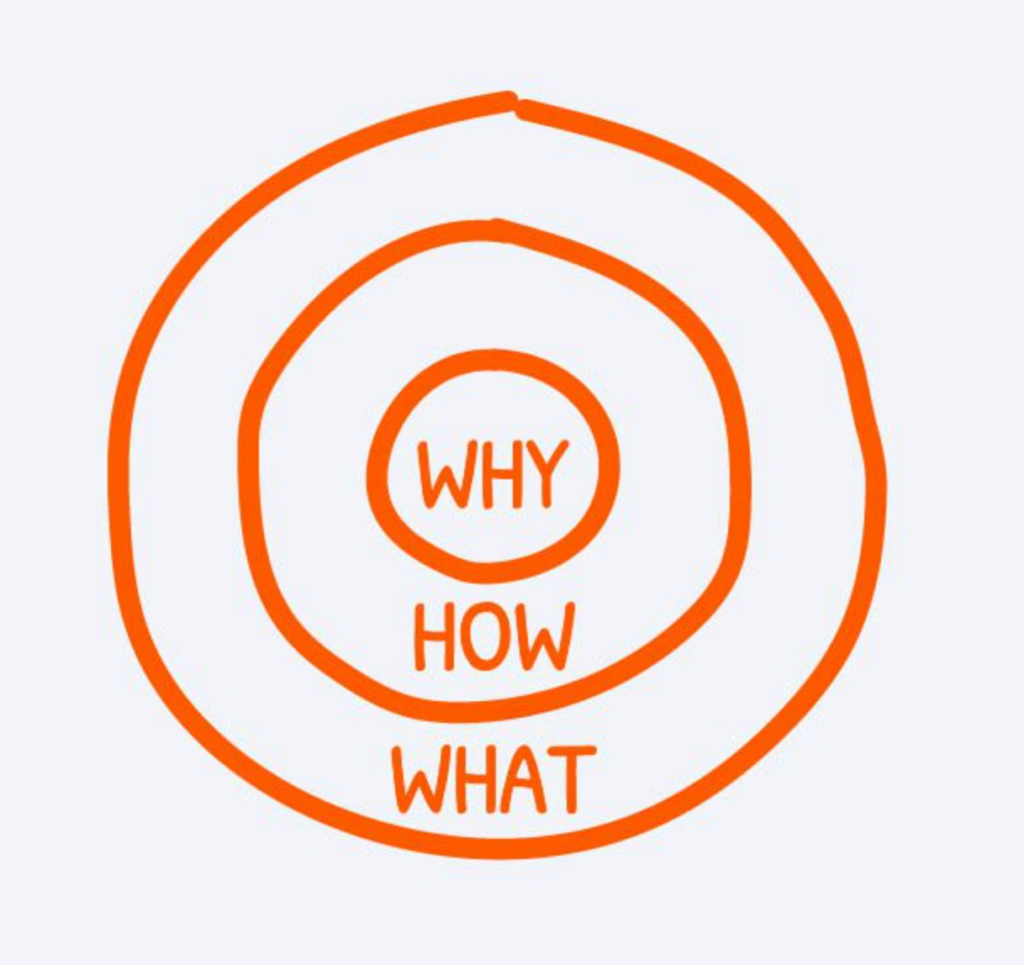
People don’t buy what you do.
They buy why you do it.
And before that sounds like motivational speaker nonsense, your brain is literally wired this way. The limbic system handles emotion and decision-making: purpose, meaning, belonging. The neocortex handles logic, specs, and feature comparisons.
Guess which one actually drives behavior when you’re choosing between two tools late at night with a deadline looming.
The Google Plus Tragedy: A Positioning Failure
If you want a textbook example of ignoring this principle, look at Google Plus.
Google had everything. Massive funding, top-tier engineers, and access to everyone’s email address. In many ways, they even outbuilt Facebook.
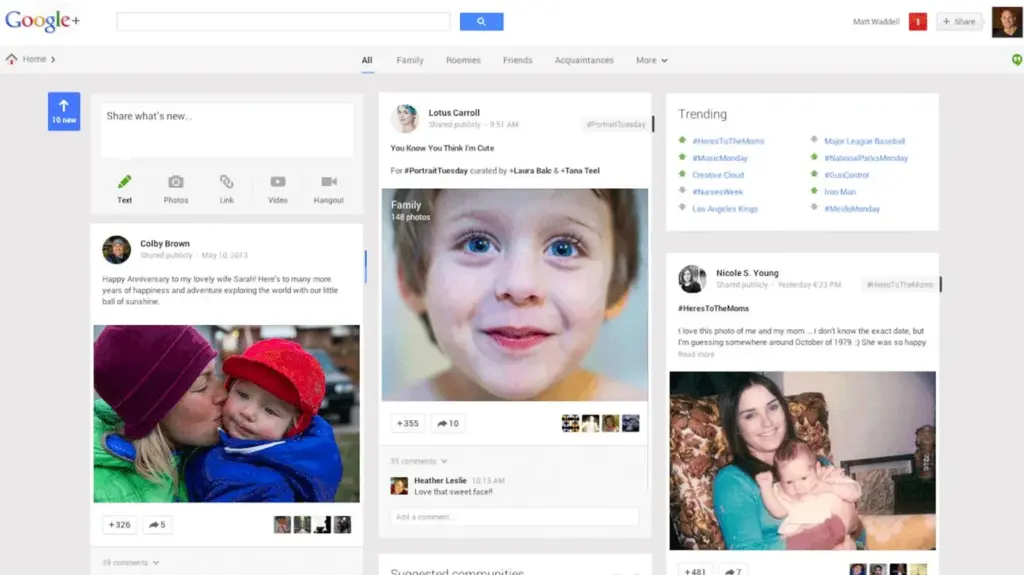
Circles gave you real privacy controls instead of Facebook’s privacy theater —lots of settings that looked reassuring but changed very little.
Hangouts offered group video chat that actually worked years before anyone else nailed it.
Nobody cared.
Average session time was three to five seconds. Barely enough to realize you were on the wrong site and hit the back button. The New York Times called it a ghost town. Google shut it down in 2019, permanently etched into tech’s greatest failures list.
Google led with features. Their pitch was “look at these cool things we built.”
They never answered the only question that mattered.
Why should I leave the place where all my friends already are?
Facebook wasn’t better technology. Not even close. But Facebook was where your friends were, where you tagged your college roommate in embarrassing photos, where your mom commented on everything.
It was identity. It was belonging.
That belief mattered more than anything Google could engineer.
How to Actually Build a Belief-Driven Positioning Strategy Into Your Product
Four steps.
Simple in theory. Hard in practice.
At Stateshift, this is the framework we use with teams when positioning needs to shift from specs to belief.
1. Write your why in one sentence
Start by writing down why your product exists. Not what it does. Not how it works. Why it exists. If your sentence mentions your product category, stop and start over.
A weak version sounds like:
“We build developer tools that help teams manage APIs.”
A stronger version sounds like:
“We believe developers should spend more time building and less time fighting their tooling.”
If you can’t articulate the second version, everything downstream will default back to features.
2. Audit what you put into the world
Now look at everything you publish. Your homepage. Your docs. Your conference talks. Your blog posts. Your tweets.
Count how many sentences talk about features versus beliefs.
For example, if your homepage headline lists integrations, benchmarks, and performance stats before it ever explains what you believe developers deserve, that’s a signal.
If features are winning, you’ve got work to do.
3. Flip your next pitch
The next time you pitch, whether to investors, potential users, or your own team, reverse the order.
Lead with the belief.
Then explain your approach. Then, and only then, show the product.
Instead of starting with a demo, start with the problem you believe shouldn’t exist. Watch how differently people lean in when they understand why you’re building before what you’ve built.
4. Use belief as a filter
Finally, make belief the filter for everything you do.
Every blog post. Every launch. Every community event. Every product decision.
Before you ship something, ask: does this reinforce why we exist, or are we just showing off what we built? Teams that skip this step slowly drift back into feature-led thinking, even when they know better.
The Dream, Not the Plan
Martin Luther King didn’t stand on the steps of the Lincoln Memorial and give the “I Have a Plan” speech. He gave the “I Have a Dream” speech.

The plan was probably more detailed, more practical, and more implementable. It also would not have moved millions of people to action.
The dream started a movement.
The products and companies developers actually care about are not the ones with the longest feature lists – they’re the ones with the clearest positioning, the strongest sense of purpose.
Linux took on Microsoft with nothing but a belief in freely available software. It not only survived, it reshaped the industry and eventually turned Microsoft into a major open source contributor.
That’s the power of belief over specs.
Go look at your homepage right now. Count how many sentences talk about what you built versus why it matters. If you’re leading with features, you’re making the same mistake Dell did.
Still stuck on how to apply this to your product? We’ve helped teams at GitHub, IBM, Lightpanda, and more identify where they’re leading with specs instead of belief.
Book a blind spot review call with Jono to see if we can help you do the same.
FAQ – Positioning Strategy
What’s the best way to market to developers?
Lead with belief, not features. Developers choose tools based on whether you understand their problems, not spec sheets. Start with why your product exists, explain your approach, then show what you built. GitHub, Stripe, and Vercel won with clear positioning about what developers deserve, not longer feature lists.
How do you market to developers without losing trust?
Stop leading with sales-heavy feature comparisons. Instead, articulate a clear belief about what should exist and let your product express that belief. When you start with purpose instead of specs, you’re connecting on what matters rather than manipulating.
Why do developer products fail to gain traction despite better features?
Because companies lead with features, comparisons, and technical superiority instead of purpose. Dell had better specs than Apple’s iPod but led with benchmarks while Apple sold emotion. When you make developers do math instead of feel something, you lose even with superior technology.
Who can help position developer tools for market differentiation?
Stateshift specializes in positioning strategy for developer-focused companies, helping teams identify where they lead with specs instead of belief. We’ve worked with GitHub, IBM, and Lightpanda and more to shift from feature-led to purpose-driven positioning.