You’re building your SaaS product, a developer tool, or a new platform, until…you’re hit with a haunting realization: you can’t beat the big competitors on price or features.
Maybe your wallet isn’t deep enough to undercut Amazon. Maybe you don’t have Microsoft’s engineering horsepower. Maybe Google just moves faster than your team can.
In the end, building your tech product often feels like being David taking on Goliath, except you don’t exactly have a slingshot.
Now before you start packing your things, relax. You’re not doomed.
Some of the most iconic products in history didn’t win by being “better” or cheaper. They won by being…well…different. And not just different, but the complete opposite of what’s expected.
This is ultimately a product differentiation strategy problem, not a performance one.
This post will walk you through a framework you can use to do the same thing for your product.
That means finding a space where you can stand out, flip the script, and actually get people to care, even if you can’t win at the usual game.
How Red Bull won against Coke
Red Bull is probably the most outrageous David vs Goliath story in the beverage world.
Red Bull was released in the soda market in weird tiny cans, cost about three times the price of Coca Cola, and it tasted like cough syrup (it still…tastes like cough syrup).
Most people would have assumed it stood no chance against Coca-Cola and the other big-name brands.
But today…they sell over 12 billion cans, earning over 14.5 billion dollars in recent years.
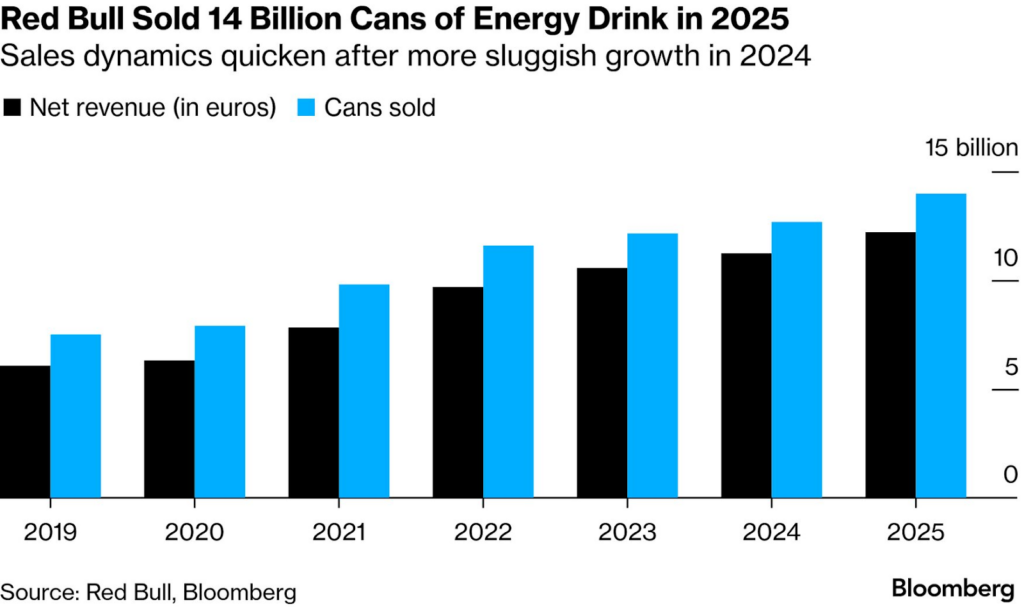
They didn’t have the packaging. They didn’t have the price. They didn’t have the taste. But they still won. Why?
Because they did the exact opposite of what every other soda was doing.
They leaned into their tiny cans, cough-syrup taste, and high price to position Red Bull as performance fuel.
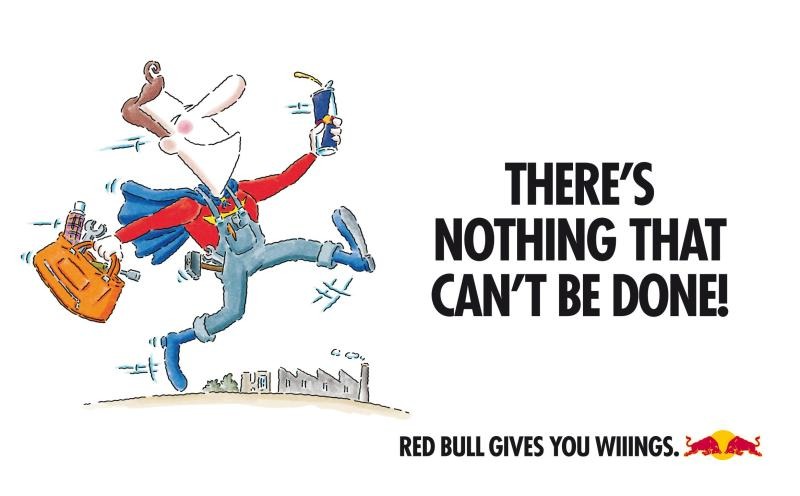
And since our brains associate small, bitter, expensive things with well…medicine, Redbull turned these “flaws” into a secret weapon by being seen as a drug that actually works.
Product differentiation when you can’t win on features or price
Most teams default to the same idea: be faster, cheaper, or better.
The problem is that this puts you in direct competition with companies like Amazon, Microsoft, and Google on the dimensions they already dominate.
It’s like asking David to take on Goliath in a boxing match with gloves. This blog would probably just be a guide to how hopeless it is if that was the case.
The same goes with your product.
If the success of your product only relies on chasing more features, lower prices, and higher performance, you’ll end up frustrated, and eventually you’ll crash.
That usually happens because you’re trying to beat incumbents at their own game.
Smaller tech companies tend to make progress only once they stop competing on features or price and instead choose a clear opposite that gives a specific group of users something to believe in.
At Stateshift, we see this pattern constantly. Teams struggle when they chase performance, and only start to break through once they reject the market’s assumptions and commit to standing out.
When you stop focusing solely on performance and start focusing on doing the opposite, you draw the people who believe in your product. That’s your slingshot.
This feels counterintuitive at first. But it shows up clearly in how people actually make decisions.
Our logic says opposites cancel each other out. 5+5 is 10, not 7. But human psychology is a bit weird. People want and desire contradictions.
People don’t mind paying a lot for a luxury handbag if it feels special.
They also don’t mind buying a cheap one if it does the job.
What people struggle to get excited about is the in-between.
Finding the Right Way to Do the Opposite
Winning usually isn’t about being “better.” It’s about product differentiation, finding a position where you’re clearly different.
But…how do you actually figure out what that opposite is for your product? And how do you use it to your advantage?
Through our experience, we’ve developed a step-by-step framework for finding your “opposite” and actually winning when you can’t compete on price or features:
Step 1: Map the Market Orthodoxies
Start by figuring out what everyone in your category does exactly the same.
Not just their features, but their positioning decisions. That means researching competitor pricing, complexity, target customers, delivery model, sales approach, basically, everything the market takes for granted. We call this an Orthodoxy Map.
Think of it like a cheat sheet of “sameness” in your market. For example:
Pricing: everyone charges per seat or usage
Features: everyone builds complicated dashboards and long workflows
Customers: everyone targets big enterprise clients
Delivery: everyone uses slow, long onboarding SaaS systems
Sales: everyone runs the same demo → enterprise contract process
A great example is Kit:
Most popular email automation platforms like Mailchimp catered to large businesses… but instead Kit went the opposite direction by focusing on creators first.
That meant bloggers, podcasters, coaches, and independent creators who just wanted a simple way to email their audience and effectively build real relationships.
Kit didn’t drown users in dashboards and complicated automations. It prioritized a user friendly interface and straightforward email tools, using only the essentials creators actually use.
Basically, these are the areas where everyone is copying each other. If eight out of ten competitors are doing the same thing here, congratulations, that’s an orthodoxy.
That orthodoxy is specifically the area where everyone is playing the same game, and where you should start going the other way.
Step 2: Find Where That Orthodoxy Frustrates People
Once you’ve spotted the orthodoxy, put on your detective hat. Talk to real people and dig into what frustrates them or makes them push back against that “sameness” in the market.
Start interviewing:
- Users who left competitors
- People who never bought a competitor
- Developers who built workarounds around existing solutions
Remember, this step is key to figuring out how to be the opposite in a way that actually works. So stay curious, ask questions, and dig deep.
Ask questions like:
- “What about the current options drives you nuts?”
- “What feels forced, confusing, or unnecessary?”
- “What do you wish you didn’t have to deal with?”
Let these conversations be raw and unfiltered. Let them vent, rant, and curse to the heavens if they want. Your job is to listen and understand the real reasons behind their frustrations.
You’re looking for the moments that make people say, ugh, why is this still a thing? That’s where opportunity hides.
Step 3: Pick an Opposite Dimension That Resonates With People
Now comes the fun part. You know the right orthodoxy. You know what frustrates people. Your job now is to pick one dimension and go completely opposite where it will matter most to your users.
Pick a dimension where:
- Everyone is doing the same thing
- That decision frustrates a segment of users
- Doing the opposite creates real value
A great example of this is Stripe:
Most companies in the payments space were building flexible, customizable APIs that required a lot of setup and integration work.
Developers had to become payment experts just to get things running. But Stripe went the opposite way. They launched with simple, opinionated APIs that “just worked.”
Less flexibility here wasn’t a weakness; it was a feature for developers who wanted to accept payments without the headache. That became their opposite.
And, one very important note when you do the opposite. It HAS to solve a real problem for your users.
You’re not being different for the sake of being different. Otherwise, you’d be like the weird edgy emo kid in class. They’re different but well…no one really hangs out with them.
The same is with your product.
Going opposite means you’re speaking directly to users who are frustrated, underserved, or craving something new from a boring market
Step 4: Validate Your Idea ASAP
You’ve probably heard the saying, “Perfect is the enemy of good.”
That’s because if you keep polishing and revising for a “finished” product, you waste precious time in getting your users’ feedback that actually makes it relevant for them.
You don’t even need a product yet. You just need something to test whether or not the “opposite” direction your product is taking actually has value to your users.
It can be:
- A landing page copy
- Messaging decks for your target segment
- Prototype UI that reflects your opposite
From there, you can start tracking how users actually engage with it. For example, you might measure:
- Conversion rates
- Demo requests
- Email signups
- Qualitative feedback
This is exactly what you want. Feedback and metrics that come from YOUR users. This allows you to see if users are genuinely interested in using your product, or just passing by.
Step 5: Build the Minimum Product That Proves the Opposite Works
Once your positioning is validated, start building the smallest product that delivers on your opposite promise.
It’s the same mindset here. The idea isn’t to make the “perfect” product, but to fail fast, adjust, and iterate according to your users.
A great example of this is Basecamp:
Basecamp didn’t launch a full enterprise suite, they shipped six core tools to prove “less is more.” And users loved it.
Remember, commit fully to the opposite you’ve chosen. You should honestly be unapologetic about it.
Red Bull didn’t apologize for tiny cans or bitter taste. Basecamp didn’t say sorry for leaving out Gantt charts. Owning your contrarian choice is what makes it powerful, because it shows passion and purpose on why your product exists.
The Lonely Road Of Doing The Opposite
A lot of people feel uneasy about not chasing whatever’s loudest or flashiest right now. After all, we’re pretty much wired to follow the crowd, so going in the opposite direction feels like going alone.
But here’s the thing:
Those tech giants you were told you couldn’t outpace? Interestingly, they didn’t get big by following the playbook. They got there by going against what the market was already doing.
Amazon? They started off sacrificing profits for better logistics while the market chased margins.

Microsoft? They put software everywhere while others chased better hardware.

Google? They started with simplicity while others built cluttered search engines for advertising

In each case, the move looked risky at the time. It also looked lonely.
Whether you’re pre-product or Series B, this approach works, because markets never have just one kind of customer.
When everyone agrees on the same approach, it inevitably leaves pockets of dissatisfaction in the market. That’s where you can come in.
Find those pockets, flip a meaningful dimension, and you can carve out a space filled with users who don’t just use your product, but actually believe in it.
For smaller teams, product differentiation isn’t optional. It’s the only realistic way to compete when features, price, and scale are already taken.
Product Differentiation: Questions We Hear Most Often
How do smaller tech companies compete when they can’t win on features or price?
By competing on a different dimension altogether. Smaller teams tend to break through when they stop chasing performance battles they can’t win and instead choose a clear position that gives a specific group of users something to believe in.
Why doesn’t adding more features help tech products stand out?
Because when everyone adds the same features, products become harder to tell apart. More features often increase complexity without giving users a clear reason to choose one product over another.
Does product differentiation still matter once a company starts scaling?
Yes. Markets almost never serve all users equally. Even at later stages, differentiation helps companies stay relevant by continuing to serve the users who believe most strongly in what they offer.
How do startups stand out in crowded tech markets?
They stop copying competitors and start rejecting shared assumptions. Standing out usually comes from doing something simpler, narrower, or more opinionated where others keep piling on complexity.
How do tech teams actually decide what to say no to when trying to differentiate?
In practice, it comes down to committing to a clear set of tradeoffs and owning them fully. In our work at Stateshift, teams tend to break through once they stop hedging and deliberately choose what they won’t compete on, not just what they will.