

Developer events are everywhere.
Meetups. Hackathons. Conferences. Webinars.
If you work in DevRel or developer marketing, events are often one of the easiest ways to get in front of developers.
But after the event ends and everyone flies home, the same question eventually shows up:
“Was that actually worth it?”

Most teams struggle to answer that.
They can talk about how many people attended. Maybe they scanned a few badges or collected some emails. The room felt engaged. Conversations were good.
But when someone asks what the event actually produced for the business, things get vague pretty quickly. That is usually the moment teams realize they don’t have a clear way to measure developer event ROI.
That doesn’t mean events aren’t valuable. It usually means the event’s design makes its impact hard to measure.
The good news is that fixing this is surprisingly straightforward.
Events generate several kinds of value at once, which is why measurement often gets messy. At Stateshift, we often see teams struggle because the event wasn’t designed around a specific developer action they wanted to trigger afterward.
Why Developer Event ROI Is Often Hard to Measure
Events create several kinds of value at the same time.
Some of that value is hard to quantify. Brand awareness matters, but it’s difficult to assign a dollar amount to it. Relationship building matters too, but those connections often turn into opportunities months later.
So teams default to the easiest numbers available: attendance, impressions, badge scans.
Those metrics tell you people showed up. But they don’t tell you if anything meaningful happened.
At Stateshift, we use a four-step approach we call the Developer Event ROI Framework. It won’t capture every dimension of value — brand awareness and relationship building will always involve some judgment — but it gives DevRel teams a consistent, repeatable way to evaluate whether an event actually moved the needle.
The core idea is simple: focus on behavior, not presence. What action did the event actually drive?
That might be signing up for a free account, joining a developer community, downloading a technical resource, or registering for a follow-up session. Once you track that kind of action, events become much easier to compare — and much easier to justify.
Step 1: Decide what a win looks like before the event starts
This sounds obvious, but it’s where many teams go wrong.
They attend an event, give a talk, have some good conversations, and only later try to figure out how to measure whether it worked.
By then it’s too late.
Before the event even starts, decide what action you want developers to take afterward.
Maybe it’s signing up for a free account. Maybe it’s joining your developer Slack. Maybe it’s registering for a deeper technical workshop.
The key is choosing one clear action.
For example, imagine you’re speaking at a local developer meetup. If the goal of that talk is to drive free trial signups, that becomes the lens you evaluate the event through. When the meetup ends, you can look at the numbers and quickly see whether the event moved the needle.
Without that definition of success, you end up evaluating the event based on how it felt in the room.
Step 2: Set up tracking before anyone walks into the room
Once you know what action matters, you need a clean way to track it.
This is where most teams accidentally make things impossible for themselves.
They share a signup link during the event, but it’s the same link used everywhere else. Later, when new accounts appear, there’s no way to know whether they came from the meetup or from a blog post someone read two days later.
You don’t need complicated tooling to solve this. You just need a way to connect the event to the action like a reliable CRM.
A common approach is using a short link or QR code tied specifically to that event. If you’re speaking at a meetup, you might show a QR code at the end of your talk that links to a signup page created just for that audience.
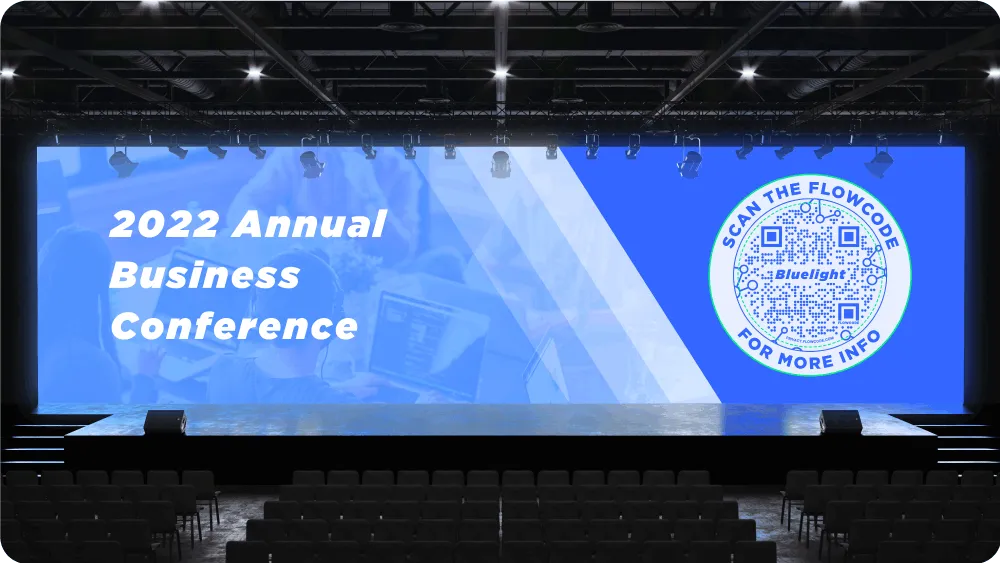
Now when someone signs up, you know exactly where it came from.
The same idea works for webinars too. If you’re running an online workshop, you might track how many people registered, how many actually attended, and what they did afterward. Each step tells you a little more about how effective that event really was.
Step 3: Give developers a reason to act
Even a well-tracked link won’t do much if there is no reason to click it.
A QR code on the final slide is easy to ignore unless the next step feels worthwhile.
The most effective events connect the call to action directly to what the audience just learned.
For example, if your talk explains how to improve API performance, you might offer attendees an extended free trial of your tool so they can try the technique themselves.
Cloud providers do this all the time with credits. Other companies offer extended trials, technical resources, or access to follow-up sessions.
The point isn’t to bribe people. It’s to give them a clear next step while the conversation is still fresh.
Step 4: Compare events based on results, not just attendance
Once you can track conversions, something interesting happens.
Events stop being guesswork.
Now you can compare them.
Imagine two different meetups.
One costs $500 in travel and speaking time. Eighty developers attend. Twelve of them sign up for a free account through your event link.
Another event costs $1,200 to attend but produces thirty signups.
At first glance the second event might seem better because the number is larger. But once you calculate the cost per signup, you might discover the smaller meetup was actually more efficient.
This is the kind of insight that helps teams make smarter decisions about where to invest their time.
Instead of guessing which events feel valuable, you can start seeing which ones actually produce results.
Turning event results into real ROI insight
Once you can track developer actions from an event, you can start answering a bigger question that many DevRel teams struggle with:
How do you measure the impact and ROI of developer relations programs?
One practical way is to treat each event as a simple experiment.
First, define the developer action the event is meant to trigger.
Then track how many developers actually take that step.
Finally, compare the cost of the event with the number of meaningful outcomes it produced.
For example, if a meetup costs $800 to run and 20 developers sign up for a free account through the event link, the cost per signup is $40.
That kind of comparison makes it much easier to evaluate which events are actually moving things forward.
In our work with developer relations teams at Stateshift, this simple shift often changes how events are evaluated. Instead of relying on attendance numbers or how the room felt, teams start looking at the developer behavior that followed the event.
Where teams usually go wrong
Even teams with good intentions often run into a few predictable problems.
The most common mistake is treating attendance as proof of success. A packed room feels great, but if nothing happens afterward it’s difficult to justify repeating the event.
Another mistake is thinking about tracking only after the event ends. Attribution only works if the tracking is set up before the event starts.
And finally, some teams focus only on cost. But cost alone does not determine developer event ROI. A smaller event with a highly relevant audience can produce far better outcomes than a large event that attracts a broad but unfocused group.
A better way to evaluate developer event ROI
Events will never be perfectly measurable.
Brand exposure and relationships will always matter, even when they don’t show up neatly in a spreadsheet.
But if you define a clear action, track it properly, and compare results across events, you start learning which events actually move things forward.
Over time that turns events from a vague marketing activity into something you can evaluate and improve.
And that is when events become far more valuable.
Common questions about developer event ROI
How do you know if a developer event was worth attending?
Most teams default to attendance numbers, but those don’t tell you much. At Stateshift, we focus on behavior, what action did the event actually drive? Signups, community joins, resource downloads. Once you track that, measuring events becomes straightforward.
What’s the biggest mistake teams make with event measurement?
Waiting until after the event to think about tracking. If your attribution isn’t set up before the event starts, you can’t connect results back to it. At Stateshift, we always recommending defining the goal and tracking method before anyone walks in the room.
Do you need expensive tools to measure developer events?
Not at all. A unique QR code or short link tied to a specific event is usually enough. The goal is simply connecting an action — like a free trial signup, to the event that drove it. Measuring events simply often works better than overcomplicated setups.
How do you measure developer event ROI?
Look at cost per conversion, not just total attendance. A smaller meetup that costs $500 and drives twelve signups can outperform a $1,200 event with thirty signups once you do the math. Stateshift uses these kinds of measurements to decide where to invest time going forward.
How do you measure the ROI of a developer relations program?
Most DevRel teams default to activity metrics — events attended, content published, community members added. At Stateshift, we start with a different question: what behavior did this actually drive? Anchor your measurement to concrete developer actions and you can start comparing programs and building a real case for investment.